A Product of Helix Matters
KTXTM
Karyotyping with the ‘X’ Factor
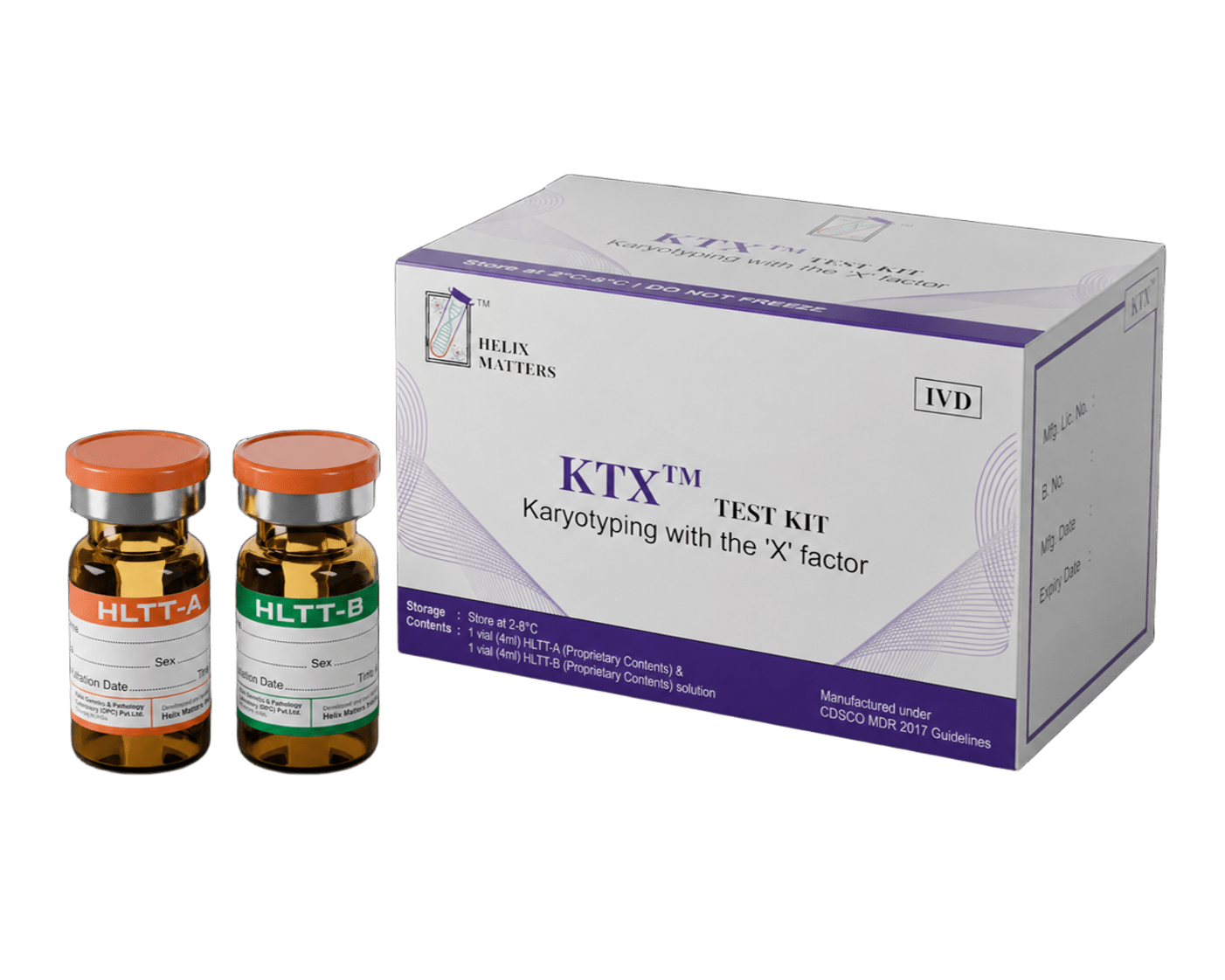
KTX™ is a karyotyping system that eliminates the infrastructure, transit & culture failure barriers that deny patients a complete chromosomal analysis without changing any step of the downstream workflow your lab already trusts.
KTX™ is now CDSCO-licensed as a Class A IVD device.
KTX™ is ISO 15189:2022 accredited through NABL at Helix Genetic and Pathology Laboratory OPC Pvt. Ltd.
The Problem
Karyotyping is one of the oldest genetic diagnostic techniques still in clinical use. The protocol has looked the same for the last 60 years.
It is the gold standard. So why don’t most patients get one?
Across acute leukaemias, MDS, CML, and other MPNs, cytogenetics is a core part of diagnostic workup under WHO and NCCN guidelines¹. Chromosomal abnormalities directly inform disease definition and therapeutic decisions. Every haematologist knows this. And yet, for a large share of patients worldwide, it is structurally out of reach.
Source1: International Consensus Classification of Myeloid Malignancies. Blood 2022;140(11):1200.
The Four Barriers
-
The Transit Window
Conventional karyotyping requires a viable sample at a fully equipped cytogenetics facility within 24 hours of collection. For patients outside major cities, that window closes before the sample arrives.
-
The Culture Failure
When samples travel beyond that 24-hour window in standard vacutainers, cells stop dividing. No metaphases. No karyotype. No result. And because bone marrow aspirates are invasive, there is often no second chance.
-
The Infrastructure Dependency
Before a single chromosome can be analysed, a lab must run CO₂ incubators, laminar flow cabinets, sterile culture rooms, and a seven-step pre-harvest protocol. This infrastructure exists almost exclusively in premier institutes. Everywhere else, it simply isn't there.
-
Longer Turnaround Times
Processing starts only after the sample reaches the lab. In acute leukaemia, treatment decisions cannot wait long.
The Consequence
16-20%
Culture failure rates reported with conventional transport workflows
24 Hours
Typical transit window before viability becomes a concern
5-10x
Potential cost increase when molecular fallback testing is required
10-15 Days
Median turnaround time
This is not a science problem. The test exists. The biology is understood. It is a workflow problem, and workflow problems can be engineered out.
Introducing the Solution
KTX™— Reimagining the Journey Between Collection and Culture
KTX™ is a karyotyping system built around a single insight: the pre-harvest steps that make conventional karyotyping infrastructure-dependent don’t need to happen in a lab. They can happen in the tube.
The Helix Leukemia Transport Tube — the HLTT — is a patented two-vial system containing proprietary formulations that simulate CO₂ incubator culture conditions from the moment of collection. The sample draws directly into the tube. The culture begins immediately. By the time it reaches the lab, the pre-harvest work is already done.
What changes is everything before that moment. The 24-hour transit constraint. The infrastructure dependency. The culture failure. The referral chain. The longer TAT. The molecular substitute and its cost. The patient who never got a result at all.
All of it, engineered out.
KTX™ is not a workaround. It is not an approximation. It is the gold standard, made available to every patient, from every centre, regardless of where they are in the world.
How it Works
Two tubes. One draw. No lab required, until harvest.
A bone marrow or peripheral blood sample is drawn directly into the patented Helix Leukemia Transport Tube (HLTT) vials, where the process begins immediately at the point of collection.
The two vials travel to the cytogenetics facility by courier. While they travel, the culture continues. The 24-hour window that defines and limits conventional karyotyping does not apply.
On arrival, the sample is harvested directly, bypassing the culture initiation and pre-harvest infrastructure required in conventional karyotyping.
From harvest onward, KTX™ follows the same process as conventional G-banding karyotyping without exception:
Hypotonic treatment → Fixation → Slide dropping → G-banding → Capture → ISCN 2024 reporting
The cytogeneticist works with what they know. The report the clinician receives is the same complete chromosomal analysis they would expect from any accredited cytogenetics facility.
The cytogeneticist works with what they know. The report the clinician receives is the same complete chromosomal analysis they would expect from any accredited cytogenetics facility.
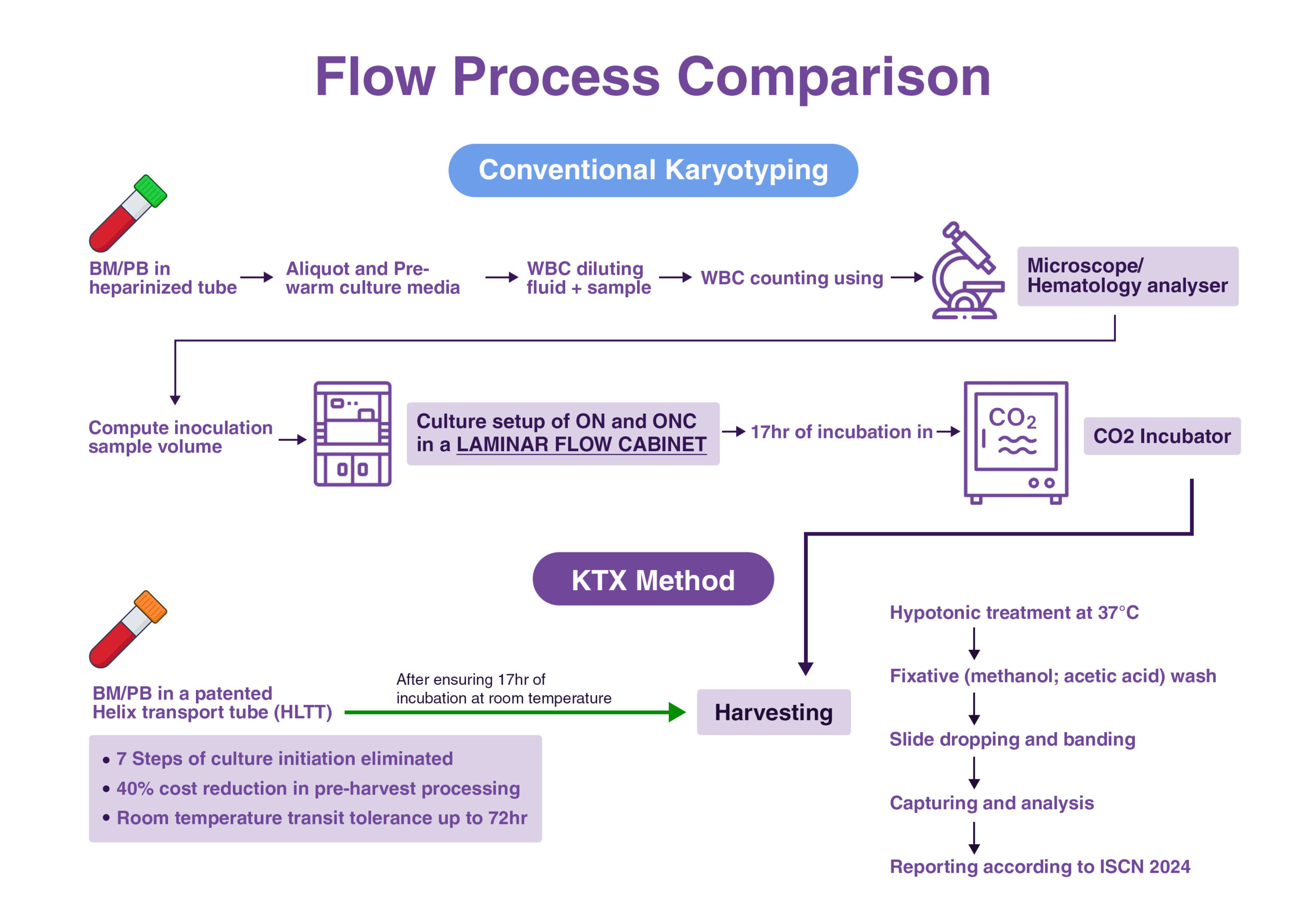
The Workflow Comparison
See how KTX™ compares to conventional karyotyping.
Conventional Karyotyping | KTX™ | |
|---|---|---|
Sample collection | Standard vacutainer | Direct draw into HLTT A + B |
Transit window | 24 hours maximum | Extended to upto 72 hrs — culture occurs in transit |
Culture initiation | CO₂ incubator, laminar flow, 17hr incubation | None — complete on arrival |
Pre-harvest steps | 7 discrete steps | None |
Infrastructure required | Incubator, laminar flow, sterile culture room | Benchtop only |
Harvest onward | Standard | Identical |
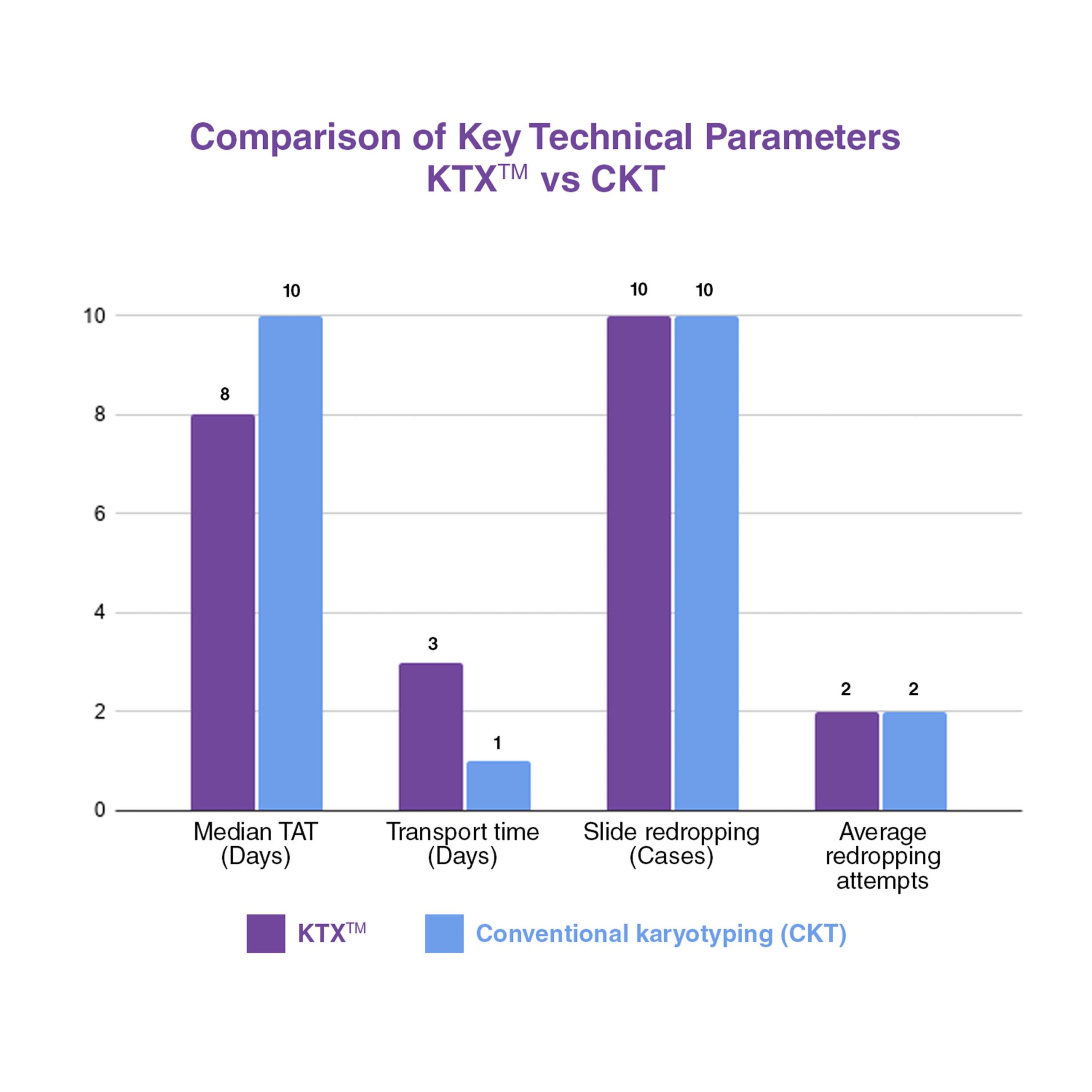
Turnaround time (TAT) | ~10 days (median) | ~8 days (median) |
Output | ISCN karyotype report | ISCN 2024 karyotype report |
Want to see the full workflow in action?
Watch the KTX™ product walkthrough, from collection to report.
A complete karyotype, at 40% lower pre-harvest cost
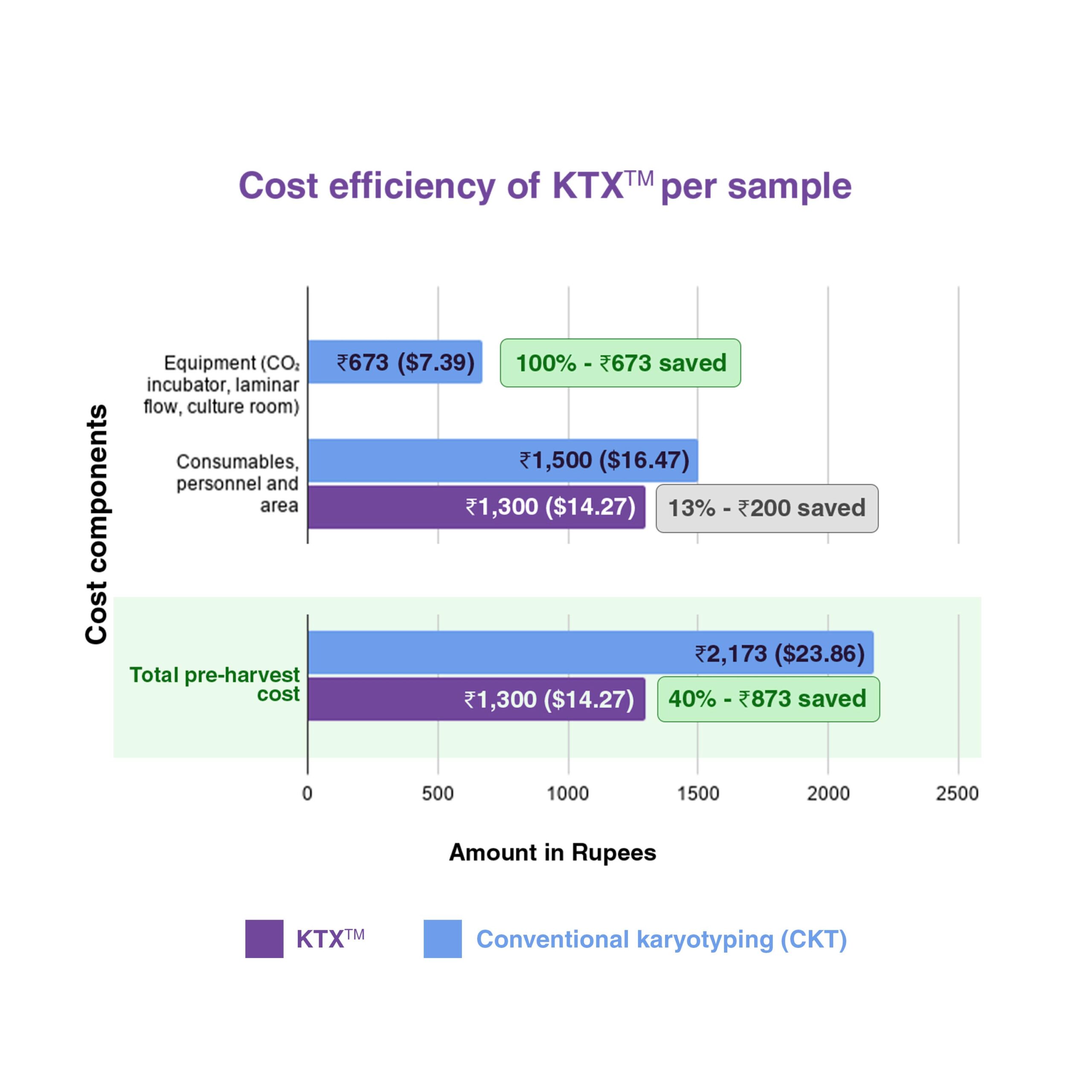
Conventional karyotyping carries a fixed pre-harvest cost burden — equipment, consumables, sterile environment, trained personnel. KTX™ removes the infrastructure entirely. The published cost analysis from EHA 2026 shows what that means per sample.
The published cost picture, per sample
A 40% reduction in pre-harvest cost per sample, with the equipment line eliminated entirely.
Source: EHA 2026 validation study, Abstract EHA-4766. The cost analysis covers pre-harvest processing.
Conventional karyotyping | KTX™ | |
|---|---|---|
Equipment cost | ₹673 ($7.39) | 0 |
Consumables, personnel, area | ₹1,500 ($16.47) | ₹1,300 ($14.27) |
Total pre-harvest cost | ₹2,173 ($23.86) | ₹1,300 ($14.27) |
Clinical Validation
Built in the Laboratory. Validated in the Real World.
Reduction in Culture Failure
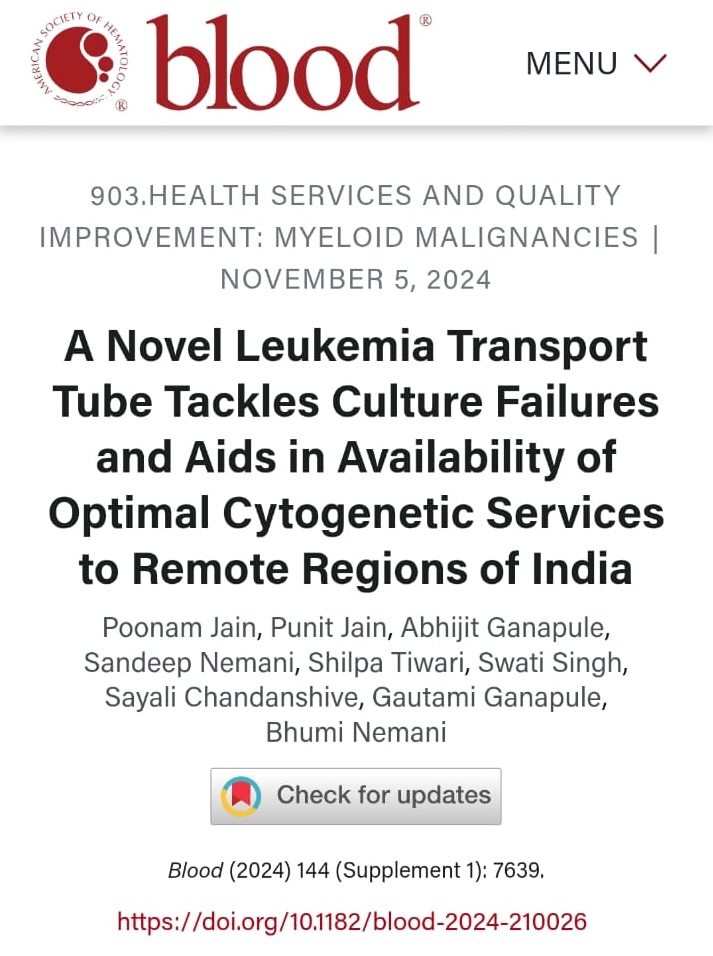
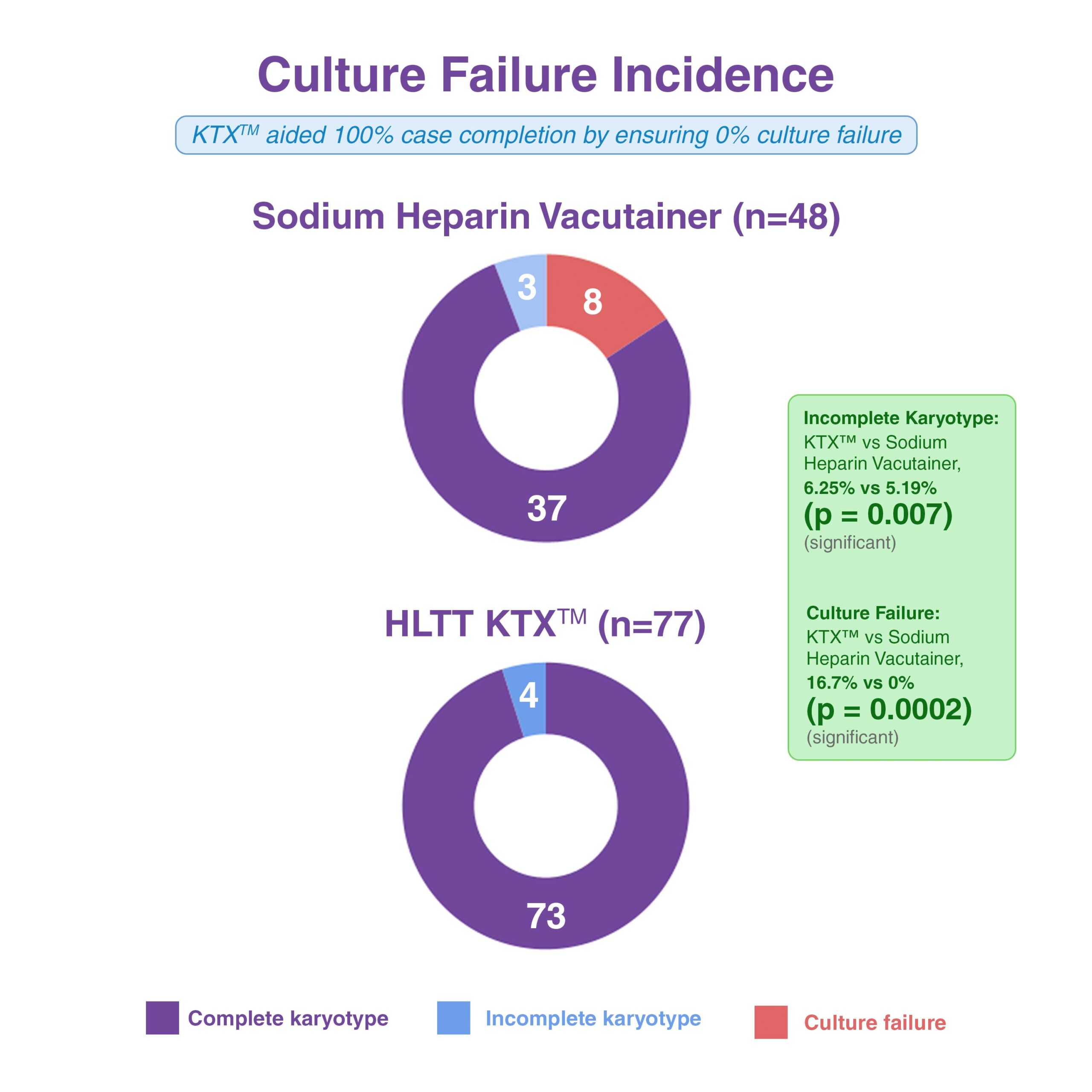
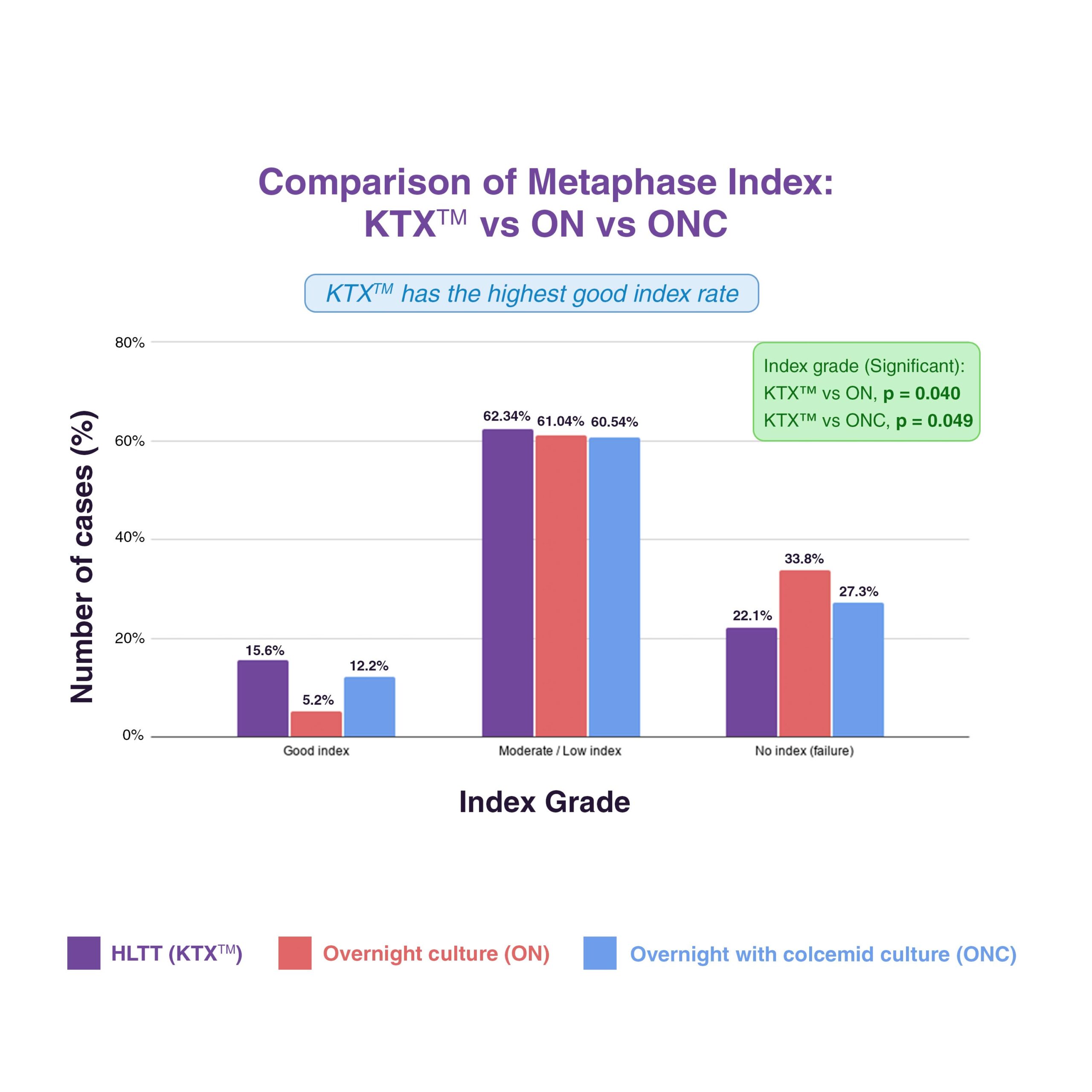
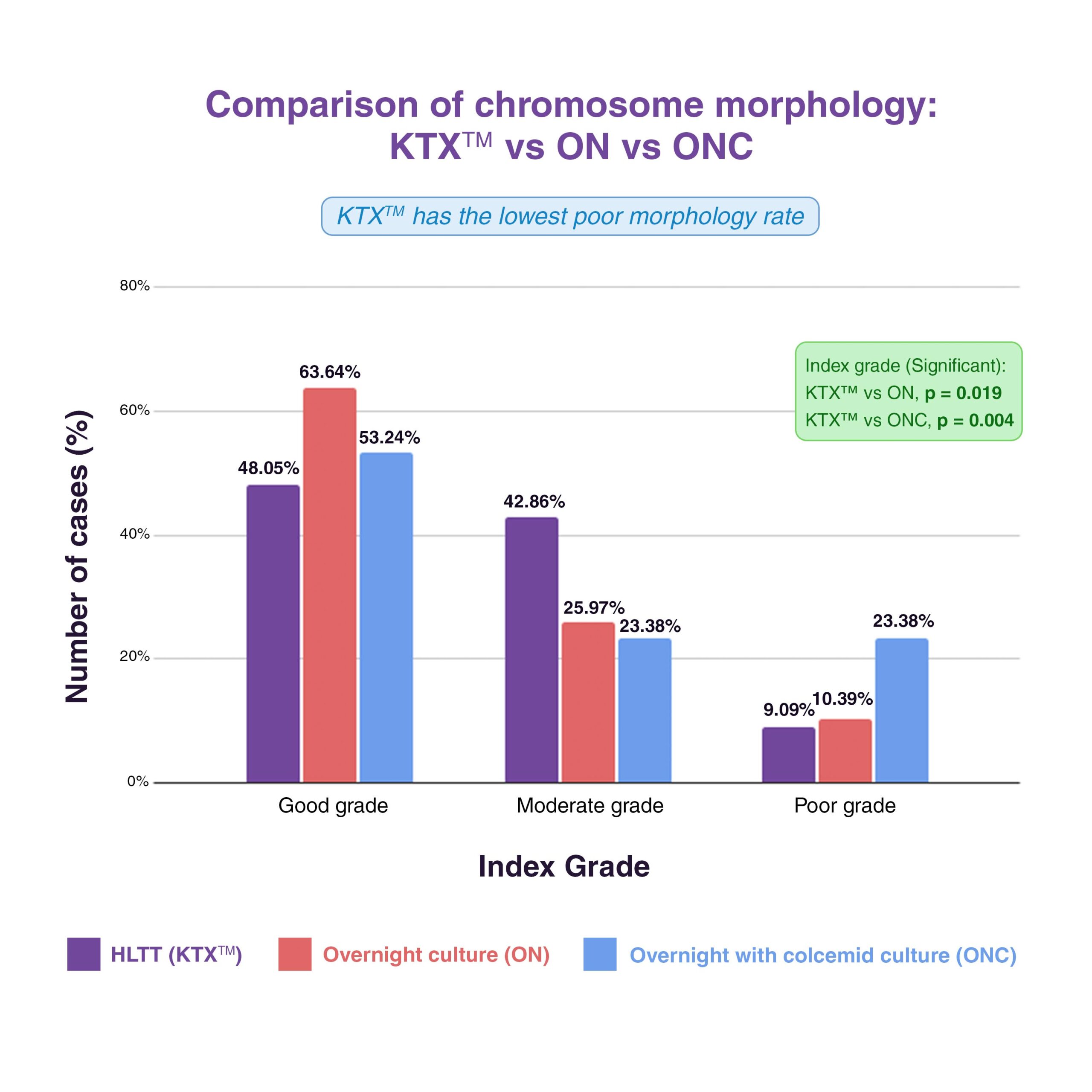
Data published as an American Society of Hematology (ASH) 2024 abstract demonstrated a significant improvement in culture failure incidence, metaphase index, and chromosome morphology when compared with conventional transport workflows.
Key Finding
~16–20% culture failure → 0% culture failure
This addressed one of the most common reasons patients fail to receive a karyotype result following sample collection.
Citation: Jain P et al. A Novel Leukemia Transport Tube Tackles Culture Failures and Aids in Availability of Optimal Cytogenetic Services to Remote Regions of India. Blood 2024;144:7639–7640.
KTX™ vs Conventional Karyotyping
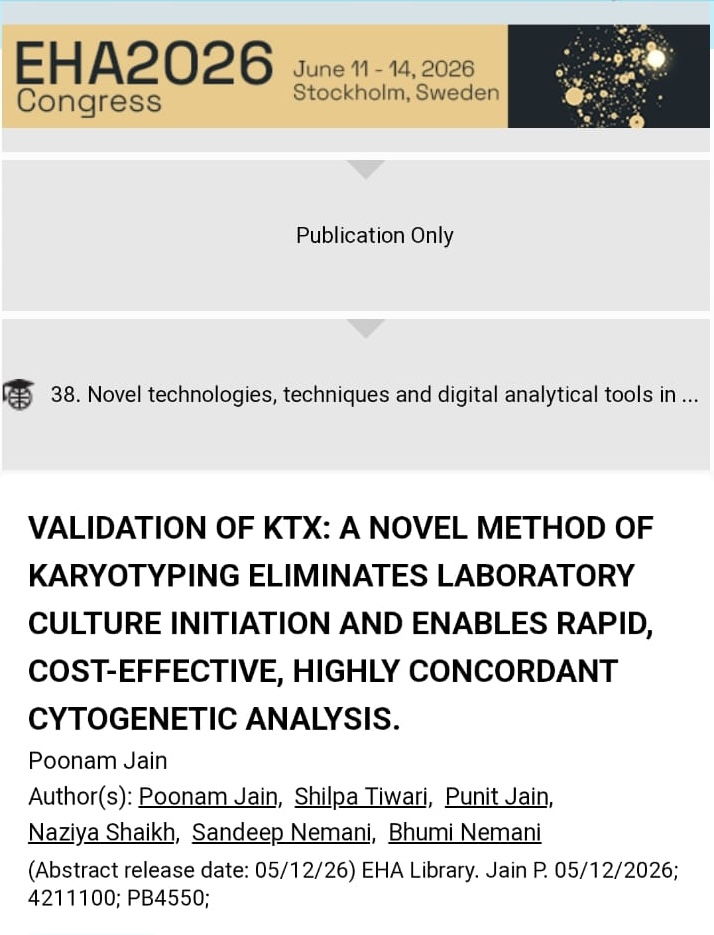
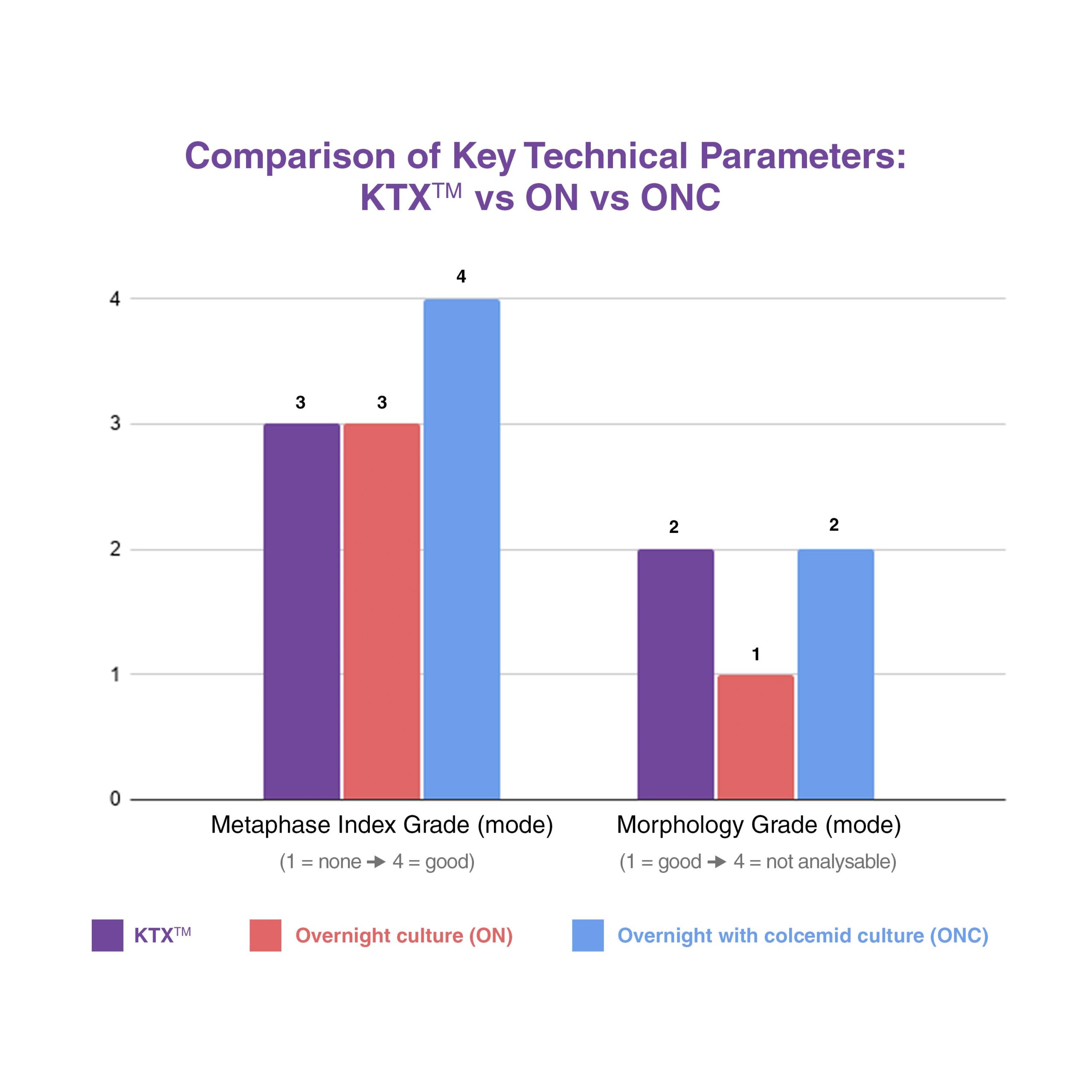
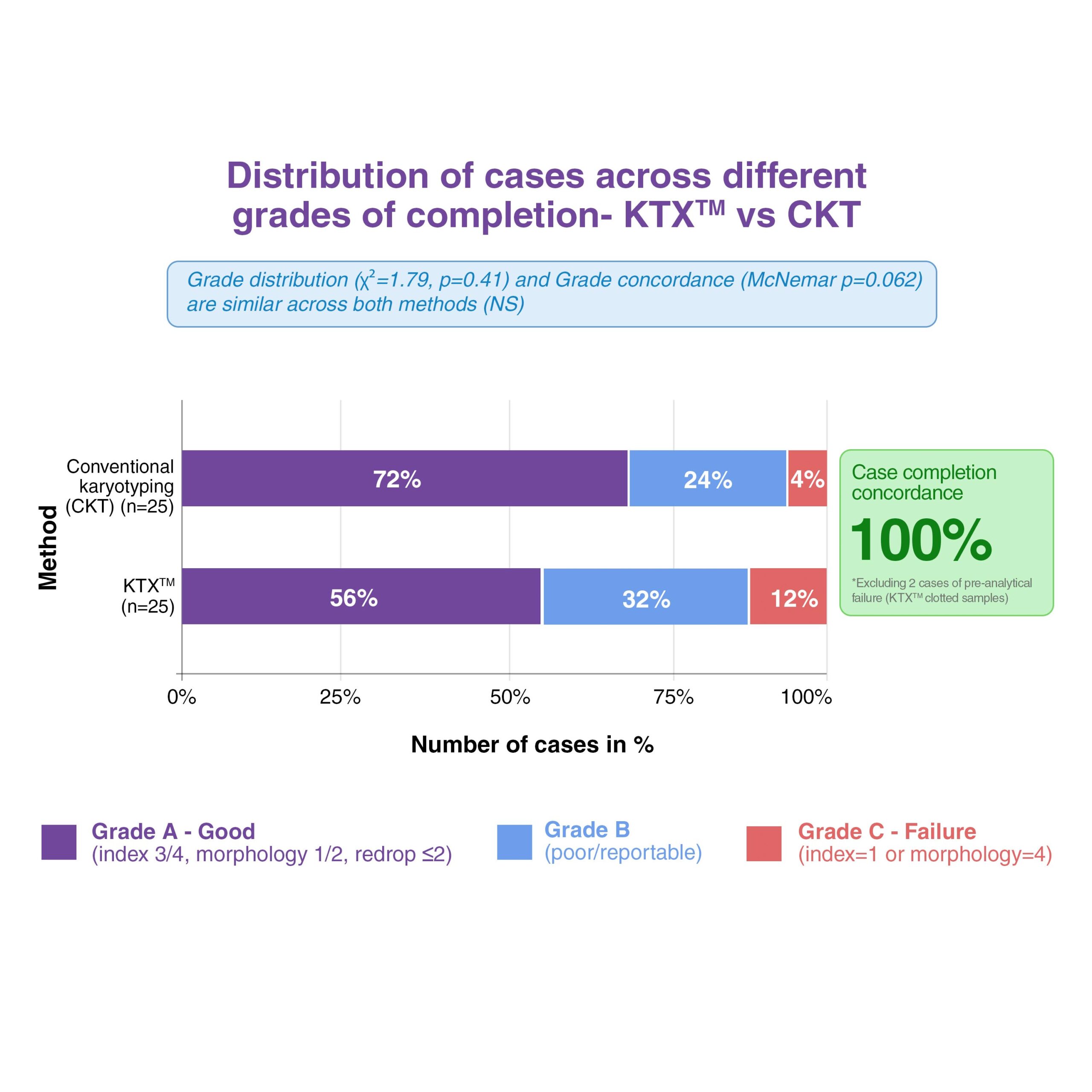
Published as a European Hematology Association (EHA) Congress 2026 abstract, this study evaluated KTX™ as a complete workflow alternative to conventional karyotyping.
The findings demonstrated that KTX™ produces highly concordant analytical outcomes when compared with conventional chromosome analysis — across metaphase index and morphology grade, TAT, transport time, slide redropping, grade distribution and concordance, and cost efficiency — while eliminating dependence on culture infrastructure, transit constraints, and pre-harvest processing requirements.
Citation: Jain P et al. Validation of KTX: A Novel Method of Karyotyping Eliminates Laboratory Culture Initiation and Enables Rapid, Cost-Effective, Highly Concordant Cytogenetic Analysis. EHA 2026, Abstract EHA-4766.
Patented Technology
The Helix Leukemia Transport Tube (HLTT), which forms the foundation of the KTX™ workflow, is protected by granted intellectual property (Indian Patents Act, 1970) and represents years of development within a clinical cytogenetics environment.
Where KTX™ Creates Impact (Use Cases)
Regional Diagnostic Laboratories
Bring karyotyping closer to the point of care.
- Simplified workflows
- Reduced referral dependency
- Expanded diagnostic capabilities
Cancer Centres & Haemato-Oncology Units
Improve access to chromosome analysis when it matters most.
- Support risk stratification
- Reduce diagnostic bottlenecks
- Improve testing accessibility
Resource-Limited Settings
Designed for environments where infrastructure remains a barrier.
- Lower infrastructure dependence
- Greater accessibility
- Expanded testing opportunities
Medical Colleges & Teaching Hospitals
Build cytogenetics capability closer to where future specialists train.
- Training exposure
- Local testing capability
- Infrastructure-light workflows
Diagnostic Networks
Extend cytogenetics reach across geographically distributed sample sources.
- Greater operational flexibility
- Reduced transport constraints
- Improved workflow consistency

Developed by Helix
Helix Genetic and Pathology Laboratory OPC Pvt. Ltd. is an India-based clinical genetics and cytogenetics laboratory focused on improving access to specialised diagnostics through clinically grounded innovation.
Helix Matters is the marketing and distribution entity bringing KTX™ to laboratories, diagnostic networks, and haemato-oncology centres across India and internationally.
Explore KTX™ Further
Whether you’re a cytogenetics laboratory, diagnostic network, medical college, or haemato-oncology centre, we’d be happy to discuss how KTX™ could fit into your workflow.
KTX™ is a product of Helix Matters. Manufactured by Helix Genetic and Pathology Laboratory (OPC) Pvt Ltd, Mumbai, India.